Kidney Stone Treatment in Delhi NCR

Dr. Arif Akhtar

Dr. Arif Akhtar

Senior Consultant – Urology, Andrology, Robotics & Renal Transplant

15+ Years Experience • 10,000+ Surgeries

Advanced minimally invasive laser procedures including RIRS Laser (No Cuts), PCNL / Mini-PCNL, ESWL, and Ureter stone care with same-day discharge options.

15+ Years

Of Experience

10,000+

Surgeries

MCh Degree

In Urology & Renal Transplant

Senior Consultant

Urology, Andrology, Robotics & Renal Transplant

Hospital-Based

Specialist Care

Advanced Treatment Options

Tailored to stone size, location and complexity
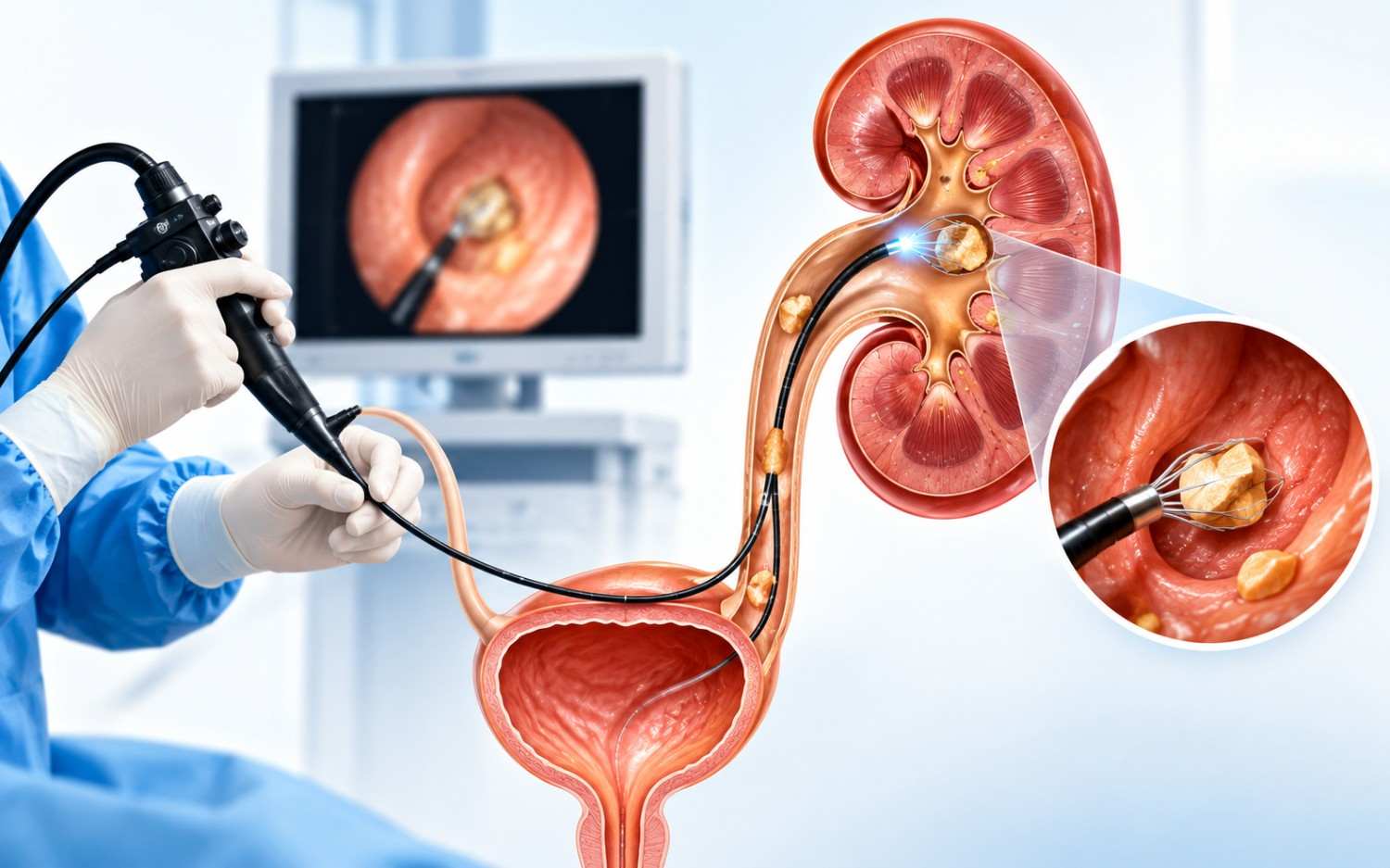
RIRS Flexible Ureteroscopy

RIRS (Flexible Ureteroscopy)

Flexible scope treatment for selected kidney stones through the natural urinary passage. No skin cuts.
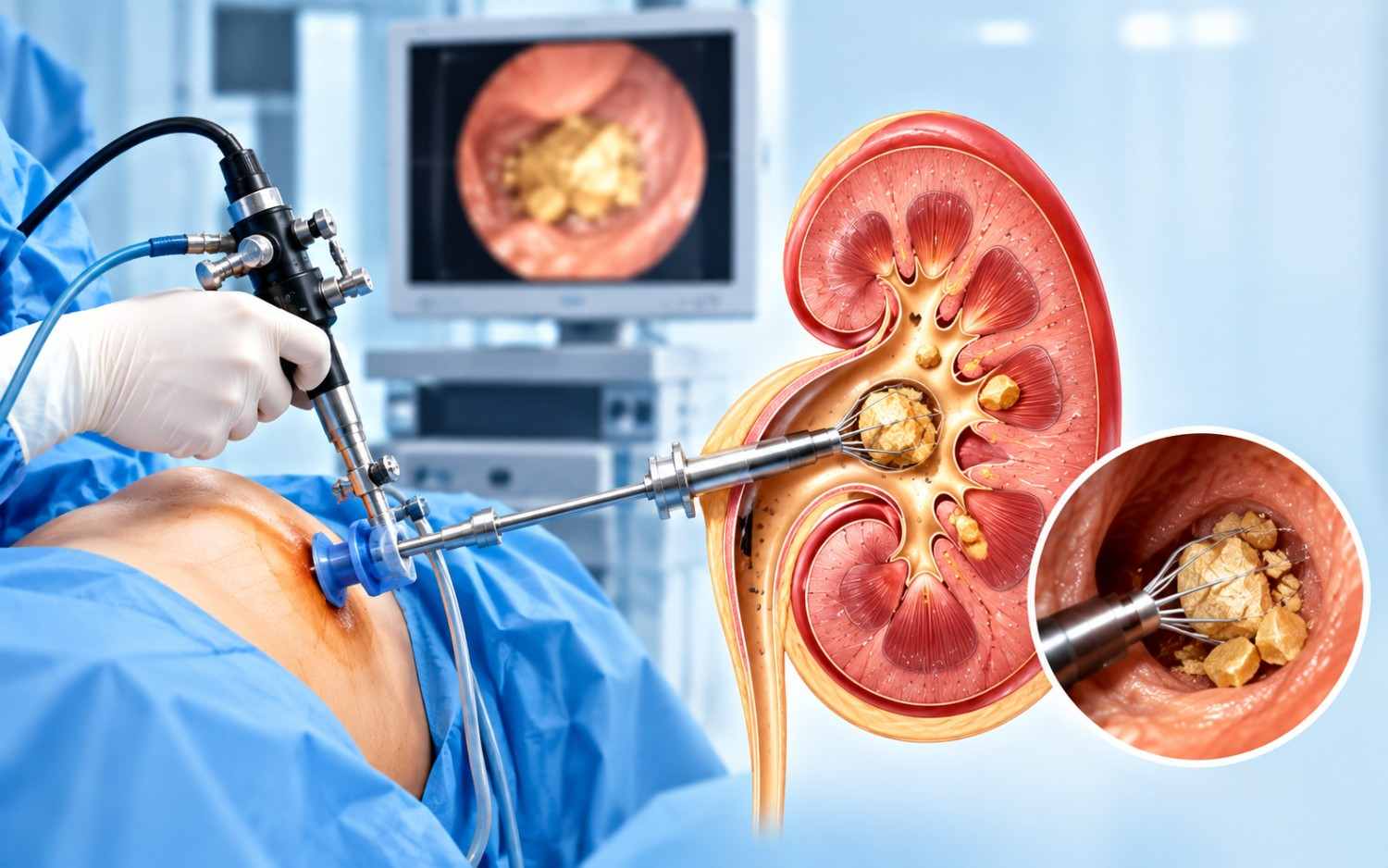
PCNL Mini-PCNL Keyhole Surgery

PCNL / Mini-PCNL

Minimally invasive treatment for larger or complex kidney stones.
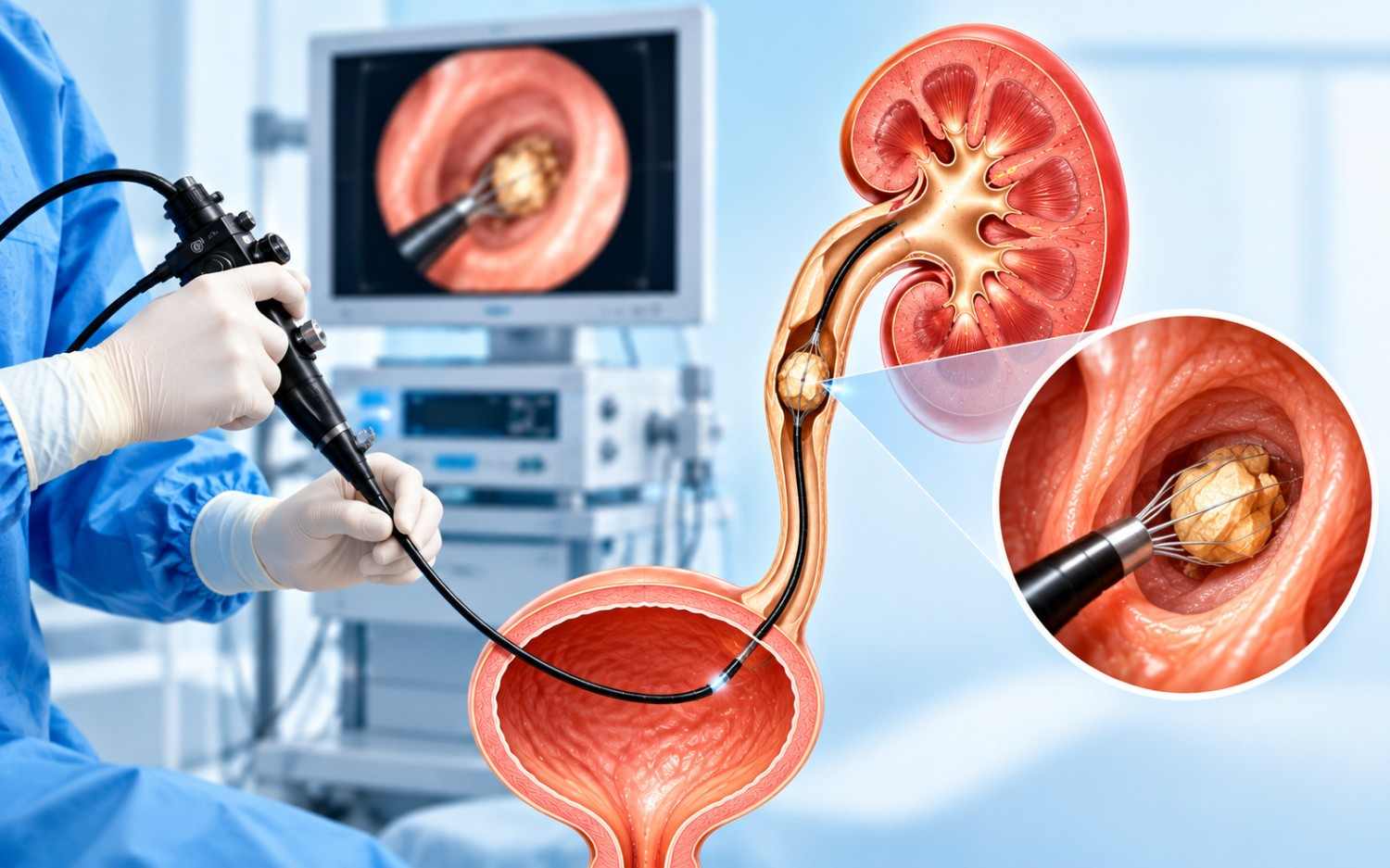
Ureteroscopy URS Procedure

Ureteroscopy (URS)

Endoscopic treatment for ureteric and selected kidney stones.
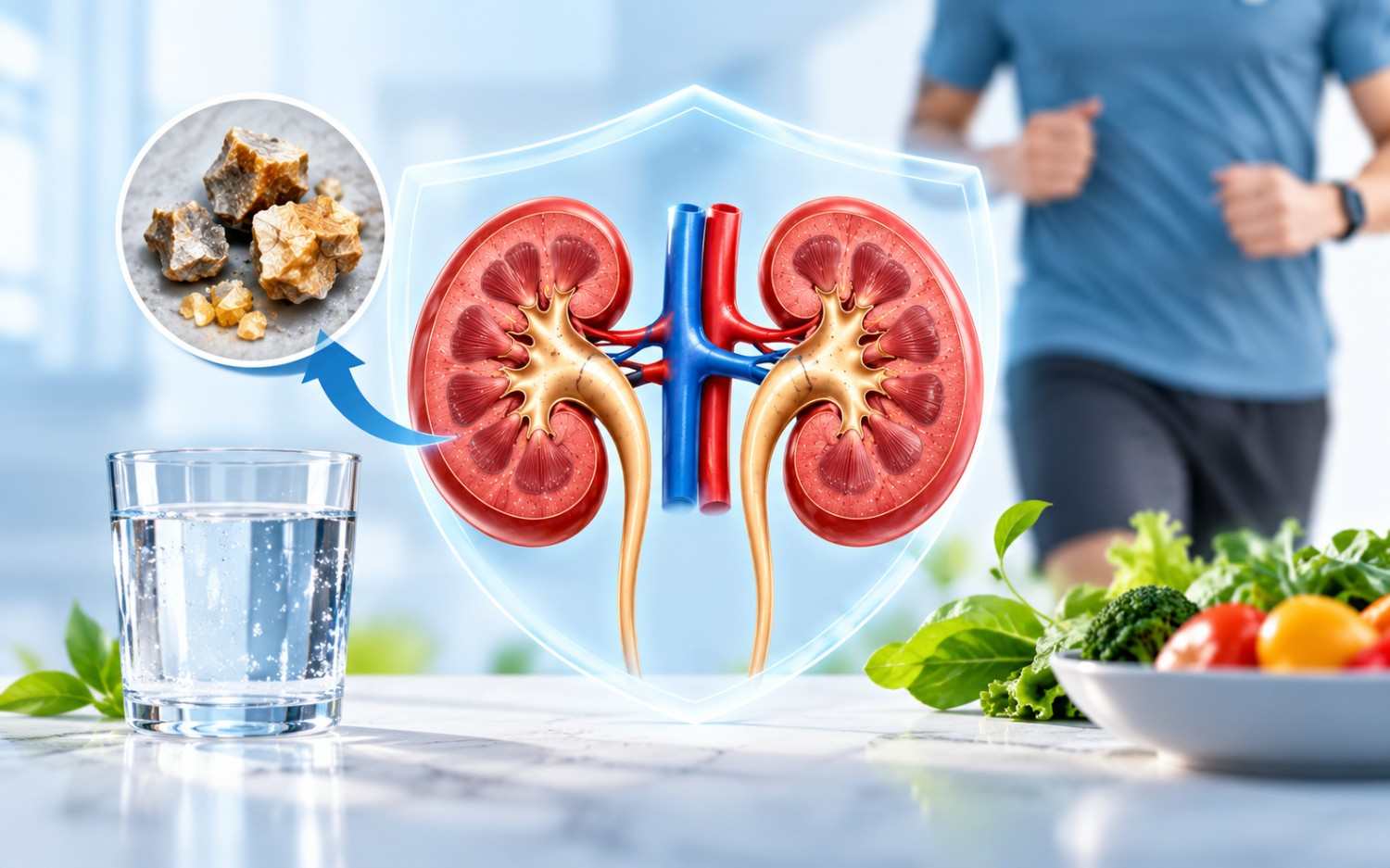
Metabolic Stone Prevention Evaluation

Stone Prevention

Metabolic evaluation and long-term guidance to help reduce recurrence.

Conditions We Treat

Specialized diagnosis and laser treatment protocols tailored to every stone classification, from routine cases to complex anatomical conditions.

Kidney Stones

Calculi formed inside the kidney calyces or renal pelvis causing dull or severe flank pain and discomfort.

Ureteric Stones

Stones stuck in the narrow ureter passage, commonly triggering sharp colicky pain and sudden urinary blockage.

Large & Complex Stones

Stones exceeding 15–20 mm requiring precision keyhole or combined endoscopic laser clearance.

Staghorn Stones

Large, branched stones occupying major parts of the renal collecting system, requiring expert PCNL care.

Recurrent Stones

Frequent stone formation managed with detailed metabolic evaluation, diet modification, and medical prevention.

Stones in Solitary Kidney

Critical, high-precision treatment planned to protect single-kidney function and avoid renal compromise.

Pediatric Stone Disease

Gentle, minimally invasive stone extraction tailored for children using ultra-thin pediatric endoscopes.

How Your Stone Is Treated

Dr. Arif Akhtar selects the procedure according to your stone’s size, position and hardness, with the aim of clearing the stone with the least possible hospital stay.

RIRS (Flexible Ureteroscopy)

No skin cuts

A thin, flexible scope is passed through the natural urinary passage into the kidney, and the stone is fragmented and removed. There is no skin incision.

Stay: Day care / 1 night
Recovery: about 2–4 days
Cuts: None (natural route)
Suitable for: selected kidney stones, generally up to about 2 cm; patients who prefer no skin cut; stones not suited to other methods; selected patients on blood thinners.
What to expect: general anaesthesia; a temporary DJ stent to keep urine flowing; mild pink urine for 2–3 days; return to routine work within days.
Clinical note: very large or multiple stones may occasionally need a second staged sitting.
RIRS Flexible Ureteroscopy Procedure
Retrograde Intrarenal Surgery
PCNL Keyhole Stone Surgery
Keyhole Mini-PCNL

PCNL / Mini-PCNL

Keyhole removal

A small keyhole puncture (about 1 cm) is made in the back directly into the kidney. A thin nephroscope breaks large or hard stones and removes the fragments.

Stay: 1 to 3 days
Recovery: about 1–2 weeks
Advised for: stones larger than 2 cm; staghorn stones; multiple or hard stones; stones causing significant blockage.
What to expect: general anaesthesia; a small temporary drain after surgery; return to normal activity in 1–2 weeks.
Clinical note: Mini-PCNL uses smaller instruments than traditional PCNL, which helps reduce post-operative discomfort and blood loss.

Ureteroscopy (URS)

Quick relief for ureteric stones

A thin scope reaches the ureter through the bladder, and the stone is fragmented and removed. It is used for stuck stones that cause severe colic and urine back-pressure.

Stay: Day care / 1 night
Medical care first: small stones (under about 4 mm) may be given expulsion medicines under supervision.
DJ stent: may be placed to relieve pressure on the kidney and reduce pain.
Ureteroscopy URS Procedure
Endoscopic Stone Removal
Dr. Arif Akhtar - Senior Consultant Urologist
15+ Years Of Experience
10,000+ Surgeries
Senior Urologist & Surgeon

Meet Dr. Arif Akhtar

Senior Consultant – Urology, Andrology, Robotics & Renal Transplant
MBBS, MS (General Surgery), MCh (Urology & Renal Transplant), FACS (USA)

Dr. Arif Akhtar is a Gurgaon-based urologist with over 15+ years of experience across leading hospitals in Delhi NCR. He completed his MBBS and MS (General Surgery) at JN Medical College, AMU, Aligarh, followed by MCh in Urology at PGIMER and Dr. Ram Manohar Lohia Hospital, New Delhi, and holds Fellowship of the American College of Surgeons (FACS), USA. For kidney and ureteric stones, he plans treatment around stone size, location and complexity, and explains every option and its risks before you decide.

Advised stone surgery elsewhere?

Bring your recent ultrasound or CT scan. Dr. Akhtar will review it and explain the options suited to your stone.

Transparent Billing

What Affects the Final Cost

Stone Characteristics

Stone size, number, location and hardness (Hounsfield units on CT scan).

Advised Procedure

The procedure advised (RIRS, ureteroscopy or Mini-PCNL / PCNL).

Hospital Stay & Room

Hospital room category and length of stay.

OT & Anaesthesia

Anaesthesia and operation theatre charges.

Consumables & DJ Stent

Tests, medicines and any DJ stent.

Post-Op Care

Follow-up visits and stent removal.

Want a Transparent Written Cost Estimate?

Share your latest ultrasound or CT scan report for quick cashless mediclaim pre-authorization.

Sector 51, Gurugram

Dr. Arif Akhtar

Dr. Arif Akhtar provides specialist urology and uro-surgery consultations, with convenient connectivity via Golf Course Extension Road, Sohna Road, South City 2, Nirvana Country, and Millennium City Centre (HUDA) Metro.

Address

Plot No, 222, Sector 51, Gurugram, Haryana 122003

Helpline & Appointments +91 85273 60757
Available
OPD Consultation Hours
Monday – Friday: 8:00 AM – 6:00 PM
Saturday: 10:00 AM – 3:00 PM
Dedicated patient parking & valet service available on premise.
Clear Answers

Kidney Stone Treatment in Delhi NCR: Your Questions Answered

Common questions about kidney stones, RIRS, ureteroscopy, PCNL, recovery, cost and treatment.
A urologist treats kidney and ureteric stones. Dr. Arif Akhtar is a Senior Consultant – Urology, Andrology, Robotics & Renal Transplant in Delhi NCR with an MCh in Urology & Renal Transplant.

RIRS uses a thin flexible scope through the natural passage to treat kidney stones, with no skin cut. Ureteroscopy (URS) uses a scope to reach stones in the ureter. PCNL and Mini-PCNL use a small keyhole in the back and are generally used for larger or complex kidney stones. Your urologist picks the option based on your stone and your health.

Yes. RIRS is done through the natural urinary passage, so there is no skin incision. It is done under anaesthesia, and a temporary DJ stent is often placed afterwards.

It varies. After RIRS or ureteroscopy, many people return to light activity within a few days. After PCNL, recovery commonly takes one to two weeks. Follow the advice given for your case.

The cost depends on the stone, the procedure, the hospital stay and other factors. Starting packages are listed in the cost section above. We share a written estimate once your reports are reviewed.

For selected procedures, yes. RIRS and ureteroscopy are often day care or one night. PCNL usually needs one to three days. Your doctor will confirm after reviewing your scans.

Yes. Send your ultrasound or CT report on WhatsApp to +91 8527360757 and our team will guide you on the next step.